
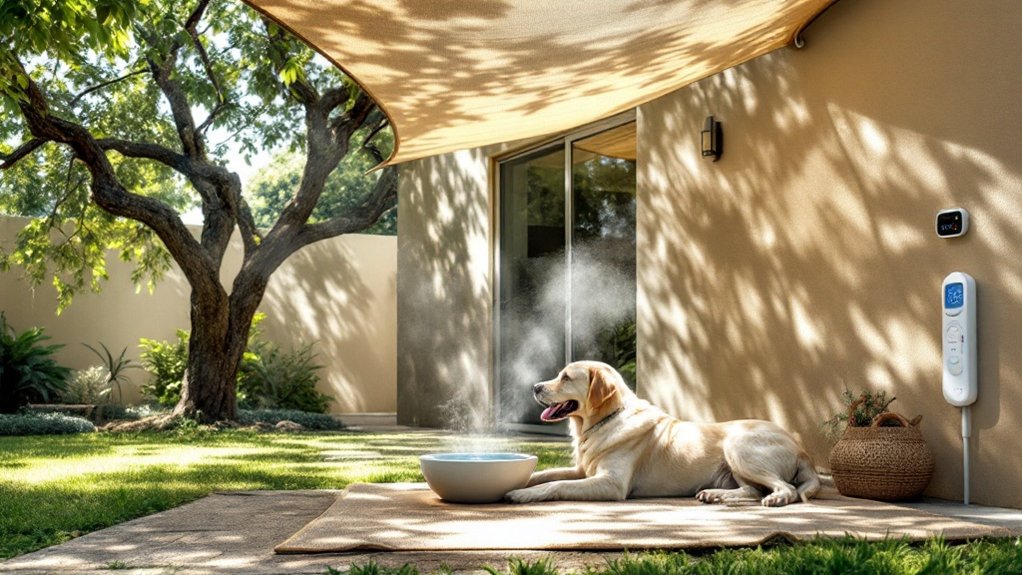
To keep your pets healthy in South Africa’s varied climate, you’ll need to adapt care routines to your specific region’s conditions.
Schedule vaccinations according to seasonal risks, protect against temperature extremes through proper shelter, and adjust exercise times to cooler hours.
Monitor for health changes during seasonal shifts, maintain emergency supplies, and establish a relationship with a local vet. Understanding your region’s unique weather patterns will help you create the most effective care strategy.
- Understanding South Africa’s Climate Zones and Pet Care
- Essential Seasonal Health Checks for Pets
- Managing Heat and Humidity: Summer Pet Safety
- Creating Pet-Safe Shelters Throughout the Year
- Vaccination Requirements in South African Weather
- Exercise and Activity Planning by Season
- Regional Weather Patterns and Pet Health Risks
- Emergency Preparedness for Extreme Weather Events
- Conclusion
- GET A PET COVER QUOTE NOW
Understanding South Africa’s Climate Zones and Pet Care
South Africa’s five distinct climate zones create unique challenges for pet owners across the country. From arid deserts to subtropical coasts, each region requires specific climate adaptations to ensure your pet’s well-being.


You’ll need to monitor pet behaviour closely as temperatures can vary greatly between coastal and inland areas. In the Highveld, protect your pets from extreme temperature fluctuations, while coastal regions demand attention to humidity-related issues.
With an average of 8–10 hours of daily sunshine across regions, scheduling outdoor activities during cooler hours is crucial for pet safety.
The Western Cape’s winter rainfall pattern requires different care strategies compared to summer rainfall areas.
Understanding your specific climate zone helps you implement appropriate shelter, exercise, and grooming routines for ideal pet health.
Essential Seasonal Health Checks for Pets
You’ll need to monitor your pet’s crucial health signs throughout South Africa’s distinct seasonal changes, paying special attention to temperature-related symptoms and behavioural changes.
Your pet’s vaccination schedule should be updated according to seasonal risks, with particular focus on DHLPP, Corona, and Rabies shots during spring and summer months.
Watch for weather-related health concerns, including heat stress during summer and respiratory issues during winter, and ensure you’re maintaining appropriate preventive care protocols for each season.
Biannual check-ups are recommended for senior dogs to closely monitor age-related conditions and maintain optimal health.
Monitoring Vital Health Signs
Regular monitoring of your pet’s essential health signs is important for maintaining their well-being throughout South Africa’s diverse seasonal changes.
Focus your key sign monitoring on comprehensive health assessments, including temperature, heart rate, and breathing patterns. You’ll need to schedule annual check-ups for pets under seven years old and biannual visits for senior pets.
Don’t overlook subtle changes in eating habits, water consumption, and activity levels. Today’s in-home monitoring devices can help track these patterns effectively.
Seasonal Vaccination Schedule Updates
Maintaining an updated vaccination schedule is crucial for protecting your pets against South Africa’s region-specific diseases.
For dogs, start with Parvo vaccinations at 4 and 6 weeks, followed by DHLP at 9 weeks. At 12 weeks, your dog needs both DHLP and rabies shots, with a rabies booster at 16 weeks for ideal disease prevention.
For cats, begin vaccinations between 6–8 weeks of age to ensure vaccination efficacy. Annual boosters are essential to protect against snuffles, enteritis, rabies, and leukaemia.
Always consult your veterinarian to customise the schedule based on your pet’s specific risks and lifestyle.
Weather-Related Health Precautions
South Africa’s diverse climate demands vigilant attention to weather-related pet health precautions throughout the year.
During hot summers, ensure your pet has constant access to fresh water and shaded areas. Monitor weather alerts for extreme temperatures, and adjust exercise times to early mornings or evenings.
In winter, provide warm shelter and increase caloric intake to maintain body temperature.
Keep your pet indoors during severe weather conditions, and maintain proper pet hydration year-round. Use protective clothing when necessary, and never leave pets in parked vehicles.
Install air conditioning or provide cooling solutions in summer, and protect against draughts in winter.
Managing Heat and Humidity: Summer Pet Safety
Your pet’s comfort and safety during South Africa’s intense summer heat requires proactive cooling strategies and consistent hydration monitoring.
You’ll need to provide multiple cooling options, such as shaded areas, cooling mats, and shallow water basins, while ensuring these are appropriate for your specific pet’s needs.
You should maintain fresh water stations throughout your home and yard, checking them frequently throughout the day to prevent dehydration during periods of extreme heat.
Cooling Tips for Pets
When temperatures soar in South Africa’s warm climate, protecting your pets from heat-related health risks becomes crucial.
Implement effective pet cooling techniques by providing shallow water pools and damp towels for your pets to rest on. Create multiple temperature zones in your home using fans and air conditioning to support natural temperature regulation methods.
Don’t shave your pets, as their fur helps regulate body temperature. Instead, offer cooling devices like specialised vests or bandanas.
Schedule outdoor activities during cooler hours, typically early morning or evening, and always choose shaded areas for walks. Monitor your pets closely for signs of dehydration or heat stress.
Hydration During Hot Days
Maintaining proper hydration for pets becomes critically important during South Africa’s sweltering summer months. Your hydration strategies should include multiple water sources throughout your home and outdoor spaces.
| Warning Signs | Action Required |
|---|---|
| Excessive Panting | Provide cool water immediately |
| Lethargy | Move to shaded area |
| Drooling | Offer ice-cooled water |
| Rapid Breathing | Seek veterinary care |
You’ll need to monitor your pet’s water intake closely and ensure fresh, cool water is always available. Consider investing in pet fountains that keep water circulating and appealing.
During peak heat hours, add ice blocks to water bowls and position them in shaded areas to maintain ideal drinking temperature.
Creating Pet-Safe Shelters Throughout the Year
Safe shelter provides essential protection for pets against South Africa’s diverse weather conditions.
Your pet shelter design should include elevated floors with proper insulation using cedar shavings or straw. Choose shelter materials that are durable and weather-resistant, ensuring they can withstand both intense summer heat and winter rains.
You’ll need to adjust your pet’s shelter throughout the year. During summer, focus on ventilation and shade protection. In winter, reinforce insulation and draught prevention.
Keep the shelter size appropriate & spacious enough for movement but small enough to retain warmth. Always position shelters away from direct sunlight and ensure they’re waterproof and securely anchored.
Vaccination Requirements in South African Weather


Proper vaccination schedules in South Africa protect your pets against region-specific health risks while adapting to local weather patterns.
You’ll need to ensure your dog or cat receives mandatory rabies vaccination at 12 weeks, followed by a booster before their first birthday.
The vaccination benefits extend beyond legal compliance, safeguarding your pet’s health throughout seasonal changes.
Don’t overlook the core 5-in-1 vaccine for canine distemper and leptospirosis vaccination starting at 8 weeks.
The health implications of missing these crucial shots can be severe, especially during weather fluctuations that may compromise your pet’s immune system.
Exercise and Activity Planning by Season
As South African seasons shift throughout the year, your pet’s exercise needs must adapt to ensure their safety and well-being. Follow these seasonal activities and exercise tips to maintain your pet’s health throughout the year.
| Season | Key Focus | Exercise Tips |
|---|---|---|
| Summer | Heat Protection | Early morning walks, hydration stations |
| Winter | Warmth & Activity | Indoor play, shorter frequent walks |
| Spring | Gradual Adaptation | Moderate outdoor time, tick prevention |
Remember to adjust your pet’s exercise routine based on temperature changes, daylight hours, and seasonal hazards.
During summer, avoid peak heat periods; in winter, protect against cold; and during changing seasons, monitor weather patterns closely while maintaining consistent activity levels.
Regional Weather Patterns and Pet Health Risks
Understanding South Africa’s diverse weather patterns is crucial for protecting your pet’s health throughout the year.
You’ll need to adjust pet-friendly activities based on your region’s climate zones. In semi-arid areas, schedule early morning walks to prevent heatstroke, while coastal regions require vigilance during both summer humidity and winter cold snaps.
The Highveld’s thunderstorms demand indoor shelter planning, and the Mediterranean Western Cape needs seasonal grooming adaptations for wet winters and dry summers.
Monitor your region’s specific weather risks and adjust your pet care routine accordingly, especially during extreme temperature changes.
Emergency Preparedness for Extreme Weather Events
Being prepared for extreme weather events is essential for safeguarding your pets in South Africa’s diverse climate zones.
Your preparedness strategies should include creating a thorough emergency plan and assembling a pet-specific supply kit with food, water, and medications.


During severe weather, keep your pets indoors in a secure area with comfortable bedding.
You’ll need to monitor local weather alerts and ensure your pets have proper identification in case of separation. Weather safety measures include maintaining access to veterinary contact information and identifying pet-friendly emergency shelters.
After the event, check your pets for injuries and gradually reintroduce them to normal routines while monitoring their health.
Conclusion
By following these climate-specific guidelines, you’ll ensure your pets stay healthy through South Africa’s most scorching summers and cold winters.
Remember to adjust your care routine based on your specific region, maintain regular vet check-ups, and stay prepared for weather emergencies.
With proper attention to seasonal needs and preventive healthcare, your beloved companions can thrive in any South African weather condition.
#TAGS: How to Keep Your Pets Healthy in South African Climate?
Disclaimer: The information provided in this article is for general guidance only and may not reflect the most up-to-date pet insurance plans, pricing, or terms in South Africa. Providers frequently update their offerings, and rates can change annually or even overnight. For the most accurate and current pet insurance options, we recommend reaching out to us directly for a personalised quote.
Pet Insurance Quote Request Form
Thanks for visiting @CoverSearch